Nobody works two nights in a row
Sleep debt compounds faster than anyone believes about themselves. The second consecutive night shift is measurably worse than the first, and the person working it is the last to notice.
Nightshift started in 2019 because three of us had spent a decade being the person whose phone rang, and we thought the job deserved to be done properly rather than heroically.
Every company we have worked at had the same person: the one who knows how everything actually works, who gets called first, and who has quietly not had an uninterrupted holiday in four years. Everyone praises them. Nobody notices that the arrangement is one resignation away from a crisis.
The problem is not that they are bad at it. It is that a single person carrying operational knowledge in their head cannot be on duty at three in the morning, every morning, forever. And the alternative — a rota of five engineers who each do it badly once a month, resent it, and have not read the runbook — is not obviously better.
So we do it as a job rather than as a favour. Three shifts, written procedures, people who chose this work and are paid properly for it. It is much less exciting than being the hero, which is exactly the point.
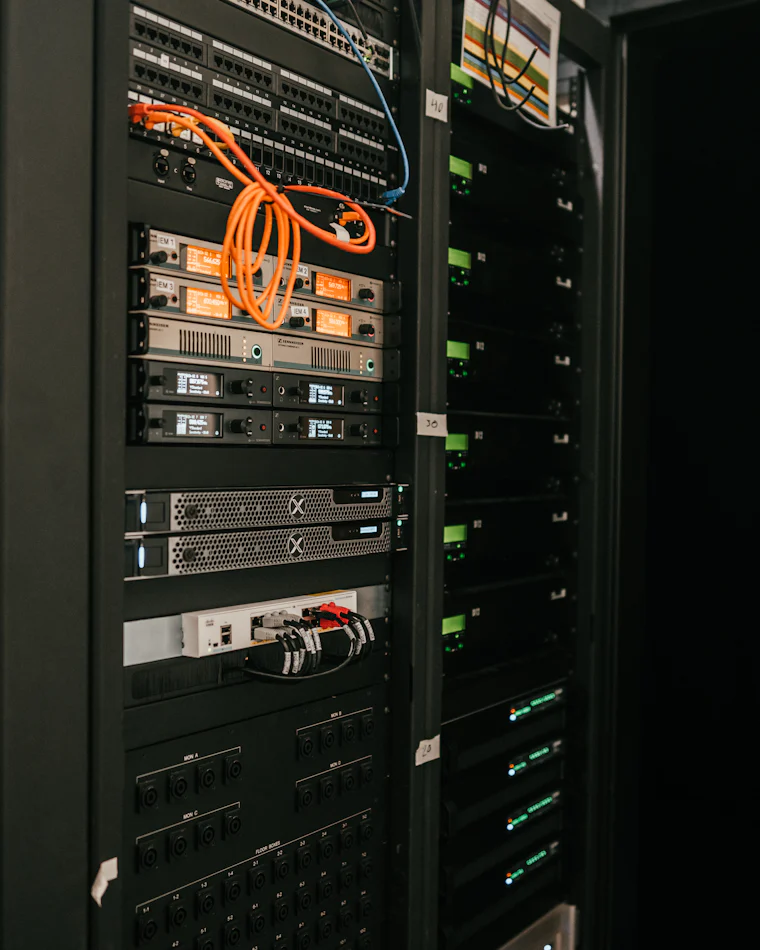
Not perks. These exist because a tired engineer at 04:00 makes the outage longer, and we are the ones holding the timer.
Sleep debt compounds faster than anyone believes about themselves. The second consecutive night shift is measurably worse than the first, and the person working it is the last to notice.
One to take the page, one to check the thinking, one who is allowed to say "you have been staring at this for twenty minutes, swap with me". It costs more. It is the whole service.
Every shift ends with a written note, whether anything happened or not. Ninety percent say "quiet". The other ten percent are why the next shift is not starting from zero.
Mostly quiet. You watch dashboards that do nothing, write runbooks for systems you did not build, and read other people's post-incident notes. Then twice a week something breaks and you have five minutes to be exactly right.
It suits people who find that appealing rather than tolerable. It does not suit people who want to build things — we do not build things, and pretending otherwise in an interview wastes everyone's year.
Nothing open right now. Write anyway if this sounds like you — we keep a list, and we have hired from it three times.
Demo note: Nightshift does not exist. The company, its people, its policies and every number on this site were invented to demonstrate a B2B site whose main interaction is a timeline rather than a menu. The code, the accessibility work and the performance are real.
It is the only interview question that matters, in both directions. Twenty minutes, no deck.